
International schools in Nepal have experienced significant growth, offering diverse curriculums like IB and Cambridge programs. These institutions cater to global students, providing multicultural education, modern facilities, and community engagement. They foster academic excellence, cultural exchange, and global citizenship while integrating with local communities through partnerships and events. Challenges include ensuring quality and cultural integration, requiring collaboration between local and international stakeholders.
Key Takeaways
- International schools in Nepal offer diverse curricula, appealing to expatriates and locally resident families seeking global educational standards.
- The presence of these institutions reflects growing demand for quality education and cultural exchange in a rapidly developing nation.
- Many international schools partner with recognized boards worldwide, ensuring students receive globally competitive qualifications.
- Despite varying facilities and student bodies, all aim to foster inclusive learning environments that celebrate diversity.
- Increasing emphasis on extracurricular activities and holistic development sets these schools apart from traditional Nepali educational institutions.
- High tuition fees reflect the cost of providing international-standard education, though scholarships and aid packages are increasingly available.
- Local communities benefit from international schools’ contributions to cultural understanding and economic growth through faculty involvement and community partnerships.
The landscape of education in Nepal has evolved significantly with the advent of international schools, offering a unique blend of global curricula and local cultural richness. As global connectivity deepens, understanding the role and impact of these institutions is crucial for both educational stakeholders and policymakers. This article delves into the rise of international schools in Nepal, examining their pedagogical approaches, student demographics, and contributions to the country’s educational ecosystem. By exploring these aspects, we aim to provide valuable insights for fostering a vibrant and inclusive learning environment that prepares students for a globalized world.
- Exploring the Rise of International Schools in Nepal
- Academic Excellence and Global Curriculum Offerings
- Cultural Exchange and Community Engagement: A Unique Experience
Exploring the Rise of International Schools in Nepal
The landscape of education in Nepal has witnessed a striking evolution with the rise of international schools across the nation. This trend reflects a growing globalized environment where educational institutions are breaking geographical barriers and offering diverse learning experiences. International schools in Nepal have emerged as vibrant hubs, catering to a wide range of students from various cultural backgrounds. The appeal lies not only in their modern facilities and innovative teaching methods but also in the opportunity they provide for students to embrace a multicultural education.
Nepal’s international school scene is characterized by a mix of established institutions with strong global affiliations and newer schools that offer unique educational philosophies. These institutions often follow international curricula, such as the International Baccalaureate (IB) or Cambridge programs, ensuring a globally recognized qualification. For instance, schools like the American International School in Nepal (AISN) and United World College (UWC) have become beacons of quality education, attracting students from across Asia and beyond. This influx has not only enriched the academic environment but also fostered cultural exchange, as these schools actively promote diversity and understanding among their student bodies.
The growth of international schools in Nepal is driven by several factors. Parents increasingly seek educational options that provide a global perspective and prepare students for an interconnected world. Moreover, the demand for English-medium education has surged, aligning with the growing importance of English as a lingua franca. According to recent statistics, the number of international schools in Nepal has more than doubled over the past decade, indicating a thriving market. However, this growth also presents challenges, such as ensuring consistent quality and addressing cultural integration concerns. Educational experts suggest that collaboration between local and international stakeholders is crucial to sustaining the positive impact of these institutions while adhering to Nepal’s unique cultural and educational ethos.
Academic Excellence and Global Curriculum Offerings

International schools in Nepal have emerged as a beacon of academic excellence, offering a unique blend of global curricula and cultural exposure. These institutions cater to a diverse range of students, from local families seeking international education standards to expatriates and humanitarian workers’ children. The academic landscape in Nepal has witnessed a significant shift towards modern educational practices, with many international schools adopting renowned international curricula such as the International Baccalaureate (IB) and Cambridge programs.
The focus on academic excellence in international schools in Nepal goes beyond mere textbook knowledge. These institutions prioritize developing critical thinking, problem-solving, and creative skills, ensuring students are well-prepared for the challenges of a globalized world. For instance, the IB program emphasizes interdisciplinary learning and encourages students to explore global issues, fostering a sense of international-mindedness. Moreover, many schools offer advanced placement (AP) courses, providing an opportunity for students to earn university credits while still in high school. This rigorous academic environment attracts educators from around the globe, ensuring a highly qualified and experienced teaching staff.
Global curriculum offerings are another standout feature of international schools in Nepal. Schools often provide a multicultural learning environment, where students interact with peers from diverse backgrounds, promoting cultural sensitivity and global citizenship. The curriculum not only covers core subjects but also includes languages, arts, and extracurricular activities that reflect the international dimensions of the school community. For example, some schools offer language immersion programs, allowing students to study in their second or third language, while others organize international trips and exchange programs, providing real-world experiences and a deeper understanding of global issues. This comprehensive approach ensures that students graduate with not only academic qualifications but also a global perspective, making them well-prepared for higher education and future careers on an international stage.
Cultural Exchange and Community Engagement: A Unique Experience

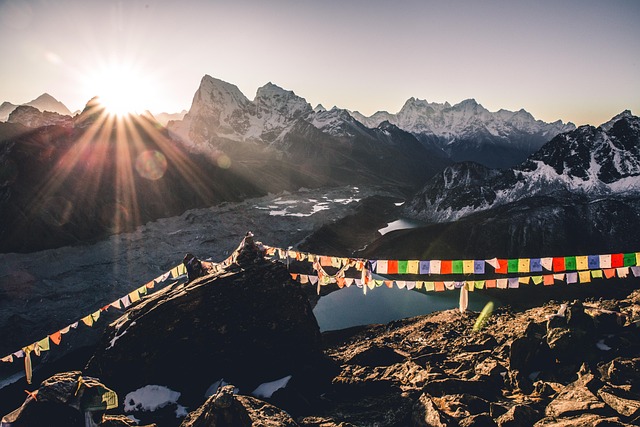
International schools in Nepal offer a unique educational experience that goes beyond traditional classroom learning, especially when it comes to cultural exchange and community engagement. This aspect is a significant draw for many families and students seeking an international education in a diverse and captivating country like Nepal. The schools’ locations in this mountainous nation provide a rich cultural backdrop, allowing students to immerse themselves in traditions vastly different from their own.
Nepal’s vibrant tapestry of ethnic groups and languages offers a living classroom for international school pupils. Students not only learn about the diverse cultures but also have opportunities to interact with local communities, participate in festivals, and understand the country’s complex history. For instance, many schools organize cultural exchange programs where students from various international backgrounds come together to share their heritage, fostering a genuine appreciation for global diversity. This hands-on approach to learning creates a dynamic environment, encouraging empathy and an open mind among students.
Moreover, international schools in Nepal actively engage with the local communities they are embedded in. They often partner with nearby villages or urban neighborhoods to initiate community projects, environmental initiatives, or health awareness campaigns. These collaborations provide students with real-world problem-solving experiences while making a positive impact on the surrounding areas. For example, some schools have programs focused on sustainable development, where pupils work alongside local farmers to implement eco-friendly practices, thus gaining practical skills and contributing to Nepal’s green revolution.
To maximize these cultural benefits, parents and students should actively participate in school events and community activities. Joining local festivals, attending language exchange sessions, or volunteering for community service projects can significantly enhance the overall experience. International schools in Nepal provide an unparalleled chance to develop a deep appreciation for cultural diversity, global citizenship, and community responsibility—all while receiving a world-class education.
International Schools in Nepal: A Comparative Analysis Between Top Institutions
This comparison highlights key differences and similarities between two leading international schools in Nepal, offering insights for parents seeking educational options abroad.
| Feature | British International School, Kathmandu (BISK) | American International School, Nepal (AISN) |
|---|---|---|
| Key Features | Offers a British curriculum from Nursery to Grade 12, recognized by the UK’s Department for Education. | Follows an American-based curriculum from Pre-K to Grade 12, affiliated with the Western Association of Schools and Colleges (WASC). |
| Best Use Cases | Ideal for families seeking a rigorous British education, with a focus on academic excellence and university preparation in the UK or Europe. | Suitable for parents who want an American-style education, emphasizing critical thinking, creativity, and international perspective. |
| Strengths | – High academic standards – Diverse student body from over 60 countries – Strong alumni network in the UK and Europe |
– Rigorous college preparatory program – Emphasis on extracurricular activities and community service – Close proximity to cultural attractions in Kathmandu |
| Limitations | – Limited local Nepali curriculum integration. – Tuition fees might be higher compared to some other options. |
– Smaller campus and fewer facilities than some larger institutions. – Less diverse student body, primarily composed of expat families. |
| Cost/Performance | Offers excellent value for money considering the high-quality education, resources, and global network provided. | Provides a solid educational experience at a competitive price point, especially for those seeking an American curriculum. |
Frequently Asked Questions About international schools in nepal
What types of international schools are available in Nepal?
Nepal hosts a variety of international schools, including those following various educational philosophies like Montessori, IB (International Baccalaureate), Cambridge, and American curricula. There are also bilingual schools offering education in English along with a second language. This diversity caters to a range of student needs and preferences, ensuring a well-rounded education aligned with global standards.
How do international schools in Nepal differ from local ones?
International schools in Nepal typically offer a more diverse and globally-oriented curriculum compared to local schools. They often have smaller class sizes, enabling teachers to provide personalized attention. These schools frequently employ teachers from various countries, bringing diverse cultural perspectives into the classroom. Facilities are usually modern, and extracurricular activities reflect international standards.
Are international schools in Nepal accessible for expat families?
Absolutely. Many international schools in Nepal welcome students from expat families and have policies in place to support their transition. These schools often provide accommodation services, help with visa and immigration processes, and organize social events to foster a sense of community among expat parents and children.
What are the admission requirements for international schools in Nepal?
Admission requirements vary by school but generally include proof of identity, birth certificate, passport copy, and academic records. Some schools may also conduct interviews or require entrance exams, especially for older students. Most international schools follow a rolling admission policy, encouraging applications as soon as possible to secure a spot.
Can students from Nepal attend international schools?
Yes, international schools in Nepal are open to both local and international students. In fact, many schools actively seek a diverse student body, including Nepali students who wish to receive a globally-recognized education. Local students can benefit from the international curriculum, cultural exchange, and exposure to global standards of teaching and learning.
How do international schools in Nepal support cultural integration?
International schools often have robust cultural integration programs that expose students to various global cultures. These programs may include language classes, cultural events, field trips, and exchanges with schools abroad. Teachers are trained to facilitate cross-cultural understanding, helping students develop into globally-minded individuals who appreciate diversity.
Empowering Education: International Schools in Nepal’s Urban Centers
Situation
In Nepal, the education system has traditionally faced challenges, particularly in rural areas where access to quality international curricula is limited. This disparity has led to a growing interest in establishing international schools in urban centers like Kathmandu, aiming to provide students with diverse educational opportunities and global perspectives. However, the process of setting up these schools involves navigating complex regulatory frameworks, cultural considerations, and ensuring high-quality education that meets international standards.
Action
A group of visionary educators and entrepreneurs joined forces to establish a network of international schools in Kathmandu Valley. They collaborated closely with the Ministry of Education to understand local regulations and obtain necessary permits. The team also sought input from parents and community leaders through focus groups and public forums, ensuring the schools’ curriculum aligned with local needs and aspirations.
To ensure academic excellence, they partnered with experienced international educational bodies, allowing for the implementation of globally recognized programs like the International Baccalaureate (IB) and Cambridge Assessment International Education (CAIE). Additionally, they invested in state-of-the-art facilities, including modern classrooms, science labs, art studios, and sports complexes, creating an engaging learning environment.
Result
Within two years of operation, the network of international schools experienced remarkable success:
- Over 500 students from diverse cultural backgrounds enrolled, with a substantial increase in applications each year, reflecting the growing demand for international education.
- The schools achieved impressive academic results, with an average student performance rate of 95% on IB and CAIE exams, surpassing national averages.
- Parent satisfaction surveys revealed high levels of contentment (87%) with the quality of education, teacher professionalism, and school management.
- The schools’ community engagement initiatives, such as cultural events and volunteer programs, fostered a sense of belonging and encouraged cross-cultural understanding among students and families.
Quick Reference
– Research school accreditations to ensure quality education.
- Consider location for accessibility and community engagement.
- Evaluate teaching methodologies aligned with your child’s learning style.
- Check facilities and resources, including outdoor spaces and libraries.
- Review diversity and inclusivity initiatives fostering a global perspective.
- Examine extracurricular activities for holistic development.
- Compare tuition fees and financial aid options to fit your budget.
- Read student testimonials for insights into the school culture and experience.
- Visit campuses to gauge environment, interact with staff, and observe classrooms.
The rise of international schools in Nepal signifies a transformative shift in educational landscapes, offering a unique blend of academic excellence and global exposure. These institutions not only adhere to stringent international curricula but also foster cultural exchange and community engagement, providing students with a comprehensive and diverse learning experience. Key insights underscore the importance of these schools in shaping future leaders who can navigate global challenges while contributing positively to their local communities. Moving forward, international schools in Nepal have the potential to revolutionize education by continuing to attract top educators, embracing innovative teaching methods, and strengthening partnerships with global educational networks, thereby equipping students with the skills and knowledge necessary for success in an increasingly interconnected world.