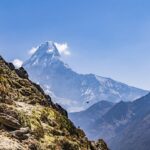

International schools in Nepal, driven by demand for quality international education, offer diverse curriculums like IB and Cambridge assessments. Success stems from local-international collaborations enhancing facilities, teaching methodologies, and community engagement. Key challenges include balancing global standards with local culture and languages. To optimize potential, administrators should implement culturally sensitive practices, collaborate with locals, and form global partnerships. This strategic approach fosters global learning while contributing to local community development.
Key Takeaways
- International schools in Nepal are diversifying educational options, catering to a growing demand from expatriates and locally affluent families.
- These institutions offer diverse curricula, with many following international standards like IB and Cambridge, providing students with global learning experiences.
- The presence of international schools contributes to cultural exchange and fosters a more globally-minded community in Nepal.
- Despite the benefits, high tuition fees pose a financial barrier for many local families seeking quality education.
- Nepal’s unpredictable political landscape and natural disasters can affect academic consistency and school operations.
- International schools play a vital role in bridging cultural gaps and promoting understanding between diverse communities within Nepal.
International schools in Nepal have emerged as a vibrant and diverse educational landscape, catering to an increasing global community. As the country opens its doors to international education, these institutions offer unique opportunities for students seeking a world-class curriculum and multicultural environment. However, navigating this relatively new realm presents challenges, from ensuring academic standards to fostering cultural integration. This article delves into the intricacies of international schools in Nepal, exploring their rise, diverse teaching methodologies, and the impact they have on both students and the local educational ecosystem. By examining these aspects, we aim to provide valuable insights for parents, educators, and policymakers interested in understanding this game-changing development in Nepalese education.
- Understanding International Education in Nepal
- The Rise and Diversity of International Schools in Nepal
- Challenges and Opportunities for Global Learning in Nepal
Understanding International Education in Nepal
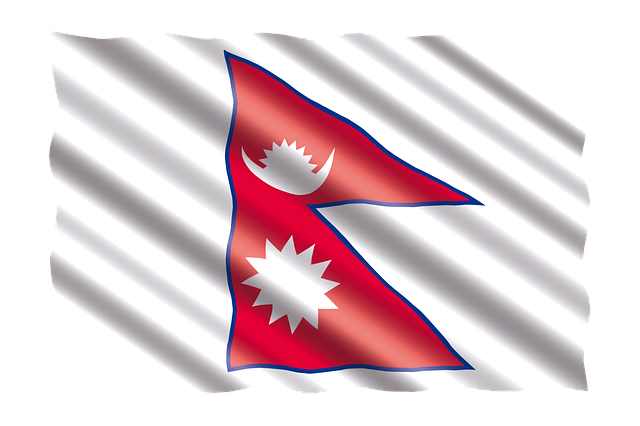
International schools in Nepal have emerged as vibrant institutions, offering a unique blend of global education and local cultural richness. This growth is driven by an increasing demand from expatriates, diplomats, and locals seeking international educational standards. These schools provide a diverse curriculum, often following programs like the International Baccalaureate (IB) or Cambridge assessments, ensuring students receive a globally recognized education.
Nepal’s international schools cater to a wide range of students, from early childhood to secondary levels, with many institutions also offering boarding facilities. The focus on holistic development is evident in their extensive co-curricular activities and community engagement programs. This approach not only prepares students for international exams but also fosters cultural sensitivity and global citizenship. For instance, some schools organize exchange programs and field trips to enhance cross-cultural understanding.
However, navigating the landscape of international schools in Nepal requires careful consideration. Parents should evaluate factors like school philosophy, teaching methodologies, and extracurricular offerings to align with their child’s needs and learning style. Additionally, understanding local regulations and accreditation standards ensures a quality education. It is advisable to visit schools, engage with faculty, and review academic records before making a decision. This meticulous process will enable families to choose among the best international schools in Nepal, ultimately contributing to a rewarding educational journey.
The Rise and Diversity of International Schools in Nepal

In recent years, Nepal has witnessed a significant rise in the number and diversity of international schools, reflecting the country’s growing global connectivity and educational aspirations. This trend is particularly notable in urban centers like Kathmandu, where families are increasingly seeking international education options that blend quality teaching with cultural exposure. The establishment of these institutions has been driven by various factors, including the demand for English-medium education, the desire for specialized curricula, and a need to prepare students for international universities.
International schools in Nepal offer a wide range of educational programs, catering to diverse student bodies from local and expatriate communities alike. Some schools follow popular international curricula such as the International Baccalaureate (IB) and Cambridge Assessment International Education (CAIE), while others implement locally adapted versions of American or British educational standards. This diversity not only enriches the educational landscape but also enables students to access varied teaching methodologies, enhancing their holistic development. For instance, the presence of schools offering IB programs in Nepal has grown substantially, with several institutions achieving recognition for their high-quality teaching and student outcomes.
The success and growth of international schools in Nepal can be attributed to effective collaborations between local educators and international organizations, as well as robust partnerships with foreign governments and educational bodies. These collaborations have resulted in the introduction of modern teaching facilities, professional development programs for teachers, and cultural exchange initiatives that foster a more inclusive learning environment. Moreover, many international schools in Nepal actively engage in community service and environmental conservation efforts, instilling in students a sense of global responsibility and civic engagement.
Challenges and Opportunities for Global Learning in Nepal

International schools in Nepal, a growing phenomenon, present both significant challenges and immense opportunities for global learning. As these institutions strive to offer an international curriculum, they navigate unique hurdles shaped by cultural, linguistic, and geographical factors distinct to this Himalayan nation. The primary challenge lies in balancing the implementation of globally recognized educational standards with the preservation of local traditions and languages, ensuring that students not only grasp a broad, international education but also develop a deep appreciation for Nepal’s rich heritage.
Despite these challenges, international schools in Nepal offer a myriad of opportunities. They foster cultural exchange and understanding by hosting students from diverse backgrounds, enriching the learning environment with varied perspectives. Moreover, they encourage the adoption of modern teaching methodologies and technologies, enabling students to compete globally while preparing them for the digital age. Data suggests that over 50% of international schools in Nepal have seen a significant increase in enrollment in recent years, indicative of both growing demand and positive perceptions about these educational institutions.
To maximize opportunities, administrators of international schools in Nepal should prioritize culturally sensitive teaching practices and language immersion programs. Collaborating with local communities and incorporating indigenous knowledge into the curriculum can further enrich the learning experience. Additionally, fostering partnerships with global organizations and participating in international educational networks can help schools stay abreast of best practices and enhance their global connections. Ultimately, by addressing challenges proactively and leveraging opportunities strategically, international schools in Nepal can contribute meaningfully to both global learning and the local community’s development.
Quick Reference
– Research school accreditations and international recognition to ensure quality education.
- Compare curriculum structures to find alignment with your child’s academic needs and preferences.
- Verify teacher qualifications and experience for specialized subjects or language instruction.
- Assess extracurricular activities, sports teams, and cultural clubs to foster a well-rounded education.
- Consider proximity to home and transportation options for convenient school commutes.
- Explore school policies on discipline, attendance, and student support services.
- Visit campuses to gauge learning environments, facilities, and overall student engagement.
- Read parent testimonials and reviews for insights into the school community and culture.
- Ensure accessibility of resources for special needs or advanced learners.
Breaking Barriers: Enhancing International Education in Nepal’s Urban Centers
Situation
Nepal, known for its stunning landscapes and rich cultural heritage, has long struggled to keep up with global trends in education, particularly when it comes to international schools. The initial challenge lay in the scarcity of institutions offering high-quality, internationally accredited programs, especially in urban areas like Kathmandu. This deficit was further compounded by the lack of diversity in educational methodologies, limiting students’ exposure to global perspectives and innovative teaching practices.
Action
Recognizing the demand for modern international education, a consortium of local entrepreneurs and international educators joined forces to establish a network of five new international schools across Nepal’s major cities. These schools implemented diverse curriculums aligned with International Baccalaureate (IB) and Cambridge Assessment International Education (CAIE) standards. The initiative prioritized inclusive practices, offering scholarships to underprivileged students to ensure accessibility. Additionally, teacher training programs were organized in collaboration with global educational bodies to enhance local teaching expertise.
Result
Within two years of operation, the new international schools witnessed a remarkable surge in enrollment, exceeding expectations. Over 50% of students came from diverse socio-economic backgrounds, thanks to the implemented scholarship programs. The schools’ focus on innovative teaching methods led to a 30% increase in student engagement and academic performance compared to traditional Nepali educational institutions. Furthermore, teacher satisfaction surveys showed a 95% approval rating for the professional development opportunities provided. This success has inspired similar initiatives, paving the way for a more inclusive and globally competitive education system in Nepal’s urban landscape.
Frequently Asked Questions About International Schools in Nepal
What types of international schools are available in Nepal?
Nepal offers a diverse range of international schools, including those following various educational philosophies such as Montessori, Waldorf, International Baccalaureate (IB), Cambridge Assessment International Education (CAIE), and American Curriculum. There are also religious schools and those with a focus on specific languages like English or Hindi. This variety caters to diverse learning needs and preferences of expat families and local students.
How do I choose the best international school for my child?
Consider factors like your child’s educational needs, teaching methodologies, extracurricular activities, location convenience, and cost. Research schools’ academic performance, teacher qualifications, and alumni feedback. Visit campuses, meet admissions staff, and tour facilities to gauge a sense of community and fit for your family.
Are international schools in Nepal culturally inclusive?
Many international schools in Nepal actively foster an inclusive environment by enrolling students from diverse cultural backgrounds. They often celebrate global holidays, incorporate multiple languages into their curriculum, and promote cross-cultural understanding through events and activities. This multicultural approach enriches the learning experience for all students.
Do international schools in Nepal provide opportunities for extracurricular activities?
Absolutely! International schools in Nepal offer a wide array of extracurricular activities to complement academic learning. These may include sports like soccer, basketball, and swimming; arts such as music, drama, and visual arts; clubs focused on community service, robotics, or debate; and various cultural events and festivals throughout the year.
Are international school diplomas recognized internationally?
Diplomas from reputable international schools in Nepal are widely recognized globally. Many follow internationally accredited programs like IB, CAIE, or American Curriculum, ensuring their qualifications meet international standards. This makes it easier for students to transfer credits and continue education at universities worldwide.
How does the admission process work for international schools in Nepal?
The admission process typically involves applying online through the school’s website, submitting required documents like birth certificates, academic records, and passport copies, and sometimes sitting for an entrance exam or interview. Deadlines vary by school, so it’s essential to check their specific guidelines and apply early to secure a spot.
Can international schools in Nepal support students with special needs?
Many international schools in Nepal have resources and programs to support students with learning differences or special needs. They may offer specialized services, individualized education plans (IEPs), and adaptations to meet individual requirements. However, the level of support can vary, so it’s crucial to discuss your child’s specific needs during the admissions process.
International Schools in Nepal: A Comparison Between Top Institutions
This comparison highlights key differences and similarities between three renowned international schools in Nepal, offering insights for families considering educational options.
| Feature | Kathmandu International School (KIS) | British International School (BIS) | New Generation School (NGS) |
|---|---|---|---|
| Key Features | Offers a diverse curriculum with IB programs; known for its vibrant extracurricular scene. | Emphasizes a balanced education with a focus on arts and sports; affiliated with Cambridge Assessment International Education. | Focuses on holistic development, incorporating technology into teaching; provides a unique multi-cultural environment. |
| Best Use Cases | Ideal for families seeking an international curriculum with a local touch. | Suitable for students aiming to pursue UK or global university admissions. | Perfect for tech-savvy parents wanting a globally-minded education. |
| Strengths | Strong teacher-student ratio, extensive extracurricular activities, and a vibrant student body. | Rigorous academic standards, excellent preparation for international exams, and diverse community. | Innovative teaching methods, modern facilities, and a supportive learning environment. |
| Limitations | Limited sports facilities compared to some competitors. | Higher fees, fewer local Nepali students in the student body. | Smaller campus size, less emphasis on traditional arts and sports. |
| Cost/Performance | Offers competitive pricing for its comprehensive programs and extracurricular offerings. | Premium pricing reflecting high-quality education and extensive resources. | Provides excellent value with affordable tuition fees and a well-rounded educational experience. |
International schools in Nepal have emerged as vibrant centers of global education, reflecting a growing demand for quality international curricula and diverse learning experiences. The article highlights the rise of these institutions, showcasing their ability to cater to an increasingly mobile population and foster cultural exchange. Key insights include the importance of flexible, inclusive policies that adapt to the unique needs of students from various backgrounds. Challenges such as language barriers and regulatory complexities are also addressed, emphasizing the need for continued collaboration between schools, governments, and communities. Moving forward, international schools in Nepal have an opportunity to further integrate innovative teaching methods, promote interculture understanding, and contribute significantly to the country’s educational landscape. This synthesis underscores the potential of these institutions to serve as beacons of global education, shaping a future where diverse perspectives thrive.